

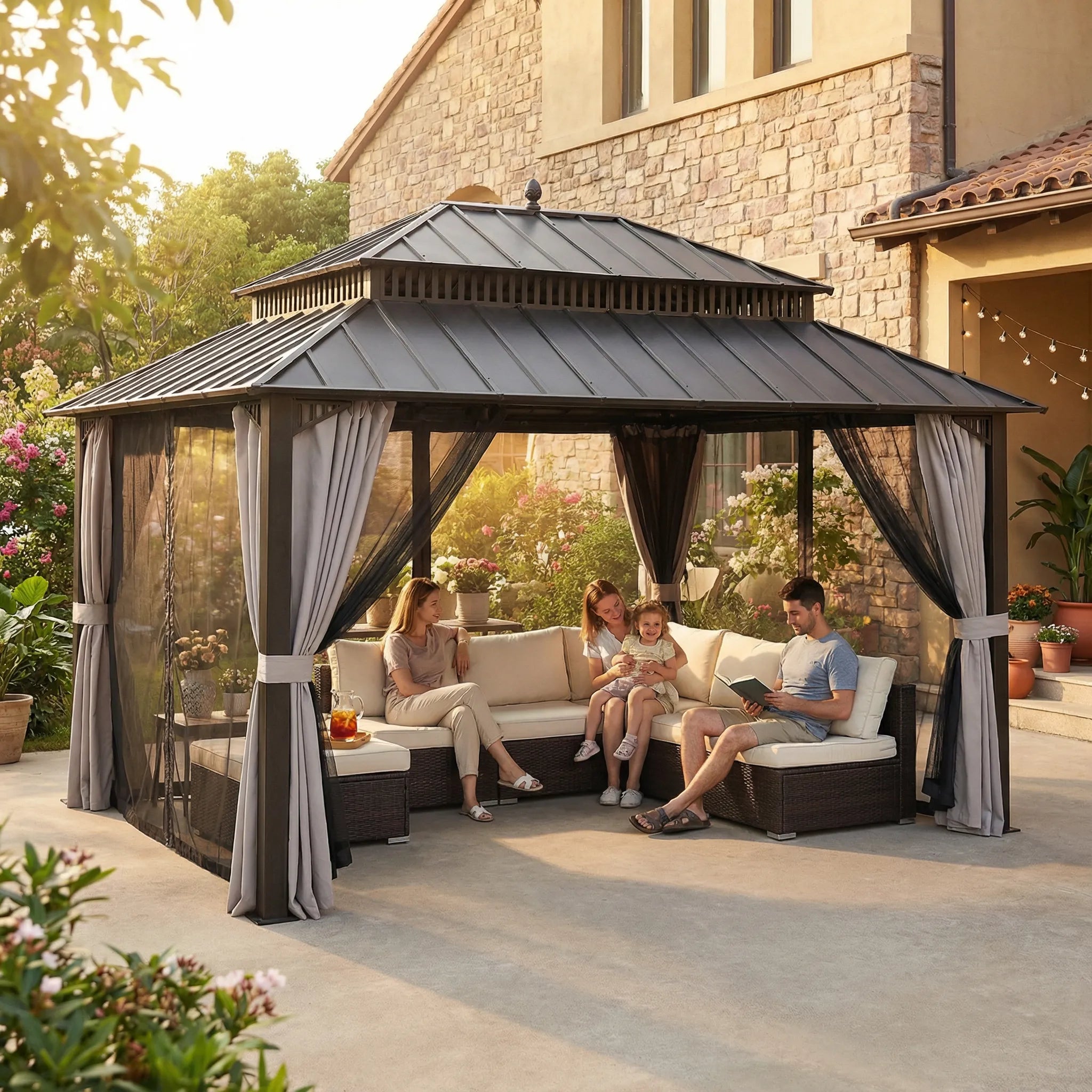

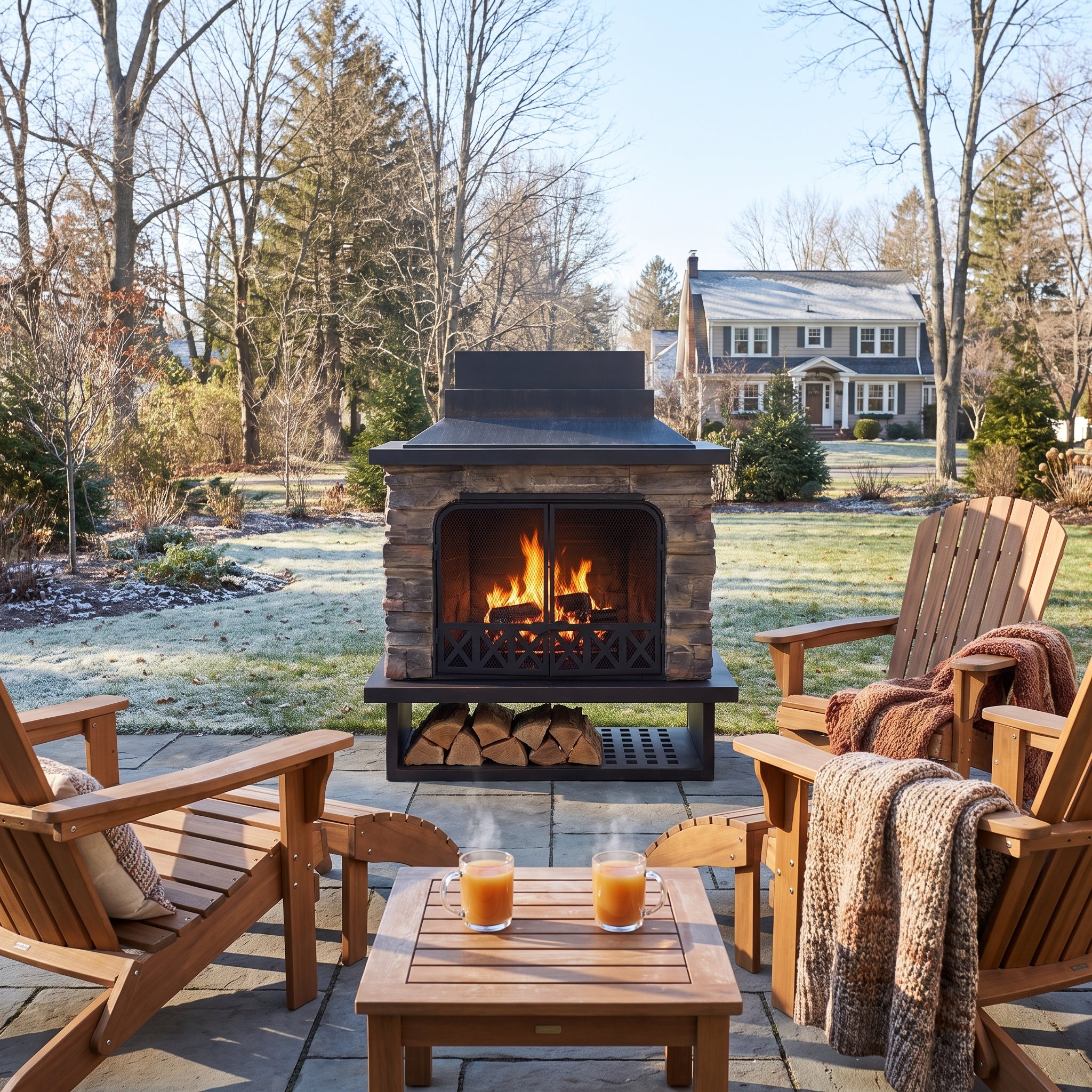
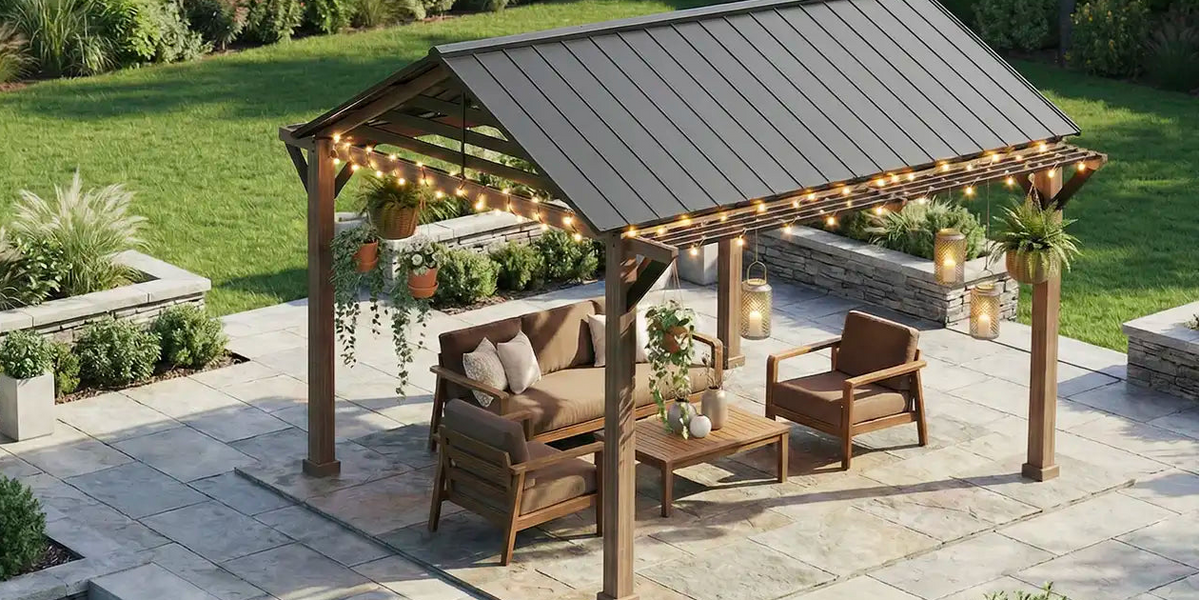
Good backyard night lighting can make an outdoor space more comfortable, practical, and inviting after sunset. Rather than relying on one bright fixture, homeowners can combine different lighting types to support dining, relaxing, walking, and entertaining. Whether you have a patio, garden, gazebo, or pergola, the right lighting plan can help each area remain useful while creating a warmer nighttime atmosphere.

What Makes a Backyard Work After Dark?
A backyard works well after dark when its lighting supports three basic needs: overall visibility, specific activities, and visual interest. These needs are often addressed through ambient, task, and accent lighting.
Lighting Type |
Main Purpose |
Common Backyard Uses |
Ambient lighting |
Provides general illumination |
Patios, seating areas, pergolas |
Task lighting |
Supports specific activities |
Dining, cooking, paths, steps |
Accent lighting |
Highlights selected features |
Trees, plants, walls, structures |
The goal is not to illuminate every part of the yard equally. Instead, consider where people gather, move, prepare food, or relax. Combining different lighting layers can create a more balanced space than depending on one strong source.
What Are the Best Backyard Lighting Ideas for a Cozy and Functional Space?
1. Hang String Lights Above Seating Areas
String lights are a simple way to add soft overhead illumination to patios, decks, and outdoor seating areas. They can be suspended between posts, attached along a pergola frame, or placed above an outdoor dining table.
Besides adding light, string lights can visually define a gathering area and make an open backyard feel more intimate.
2. Add Path Lights Along Walkways
Path lights help make routes between the house, garden, patio, and other outdoor areas easier to follow after dark.
Place them near bends, entrances, or changes in direction where extra visibility is useful. They do not need to form an uninterrupted line along the entire walkway. Strategic spacing supports navigation while keeping the surrounding landscape softly lit.
3. Install Step and Deck Lighting
Steps, raised decks, and changes in height can become harder to recognize after sunset. Small lights installed around stair risers, railings, or deck edges can help make these transitions more visible. Keeping light close to the walking surface also reduces the need to brighten the entire deck.
4. Use Adjustable Spotlights for Dining and Activity Areas
Dining tables, food preparation areas, and activity zones often need more focused lighting than general lounge areas.
Adjustable spotlights allow homeowners to direct light toward the surface where it is needed. Fixtures with several movable heads can also illuminate multiple nearby areas without requiring separate overhead lights for every activity.
5. Add Overhead Lighting to Gazebos and Pergolas
Gazebos and pergolas naturally create defined outdoor rooms, making them suitable locations for overhead lighting.
A fixture positioned above a dining table can provide functional illumination for meals, while softer overhead lighting may work better in a lounge-focused structure.
6. Place Lanterns Around Lounge Areas
Lanterns can introduce softer pools of light around seating areas without requiring permanent installation.
Place them on outdoor tables, beside lounge furniture, or near the entrance to a covered area. Portable battery-powered or solar lanterns can also be moved when furniture arrangements change, making them useful for patios that serve several purposes.
7. Highlight Trees and Plants With Uplighting
Uplighting can help selected landscape features remain part of the backyard design at night.
Instead of lighting every plant, choose a mature tree, textured shrub, wall, or architectural feature as a focal point. Directing light upward from near the ground can create visual depth behind a patio or seating area without making the whole garden equally bright.
8. Use Solar Lights in Hard-to-Wire Areas
Solar lighting can be practical for garden borders, remote pathways, or corners of the backyard where electrical wiring is inconvenient.
Because solar fixtures depend on daylight exposure, their panels should be positioned where they can receive adequate sunlight. Heavily shaded or covered areas may be better suited to battery-powered or wired alternatives.
9. Light Outdoor Dining and Cooking Zones
Outdoor dining and cooking areas benefit from clearer task lighting than purely decorative spaces.
Place light above or near dining tables, grills, or preparation surfaces so people can see what they are doing without creating glare at eye level. Nearby lounge zones can remain more softly illuminated, helping each section of the backyard support a different activity.
10. Layer Multiple Light Sources Across the Backyard
A single bright fixture rarely meets every backyard lighting need. Combining several smaller sources allows each light to perform a specific job.
Layering several types of light can make the backyard feel both practical and visually balanced after dark.

How to Choose the Right Backyard Lighting for Your Space?
The right lighting depends on how the backyard is used, where fixtures can be installed, and what power sources are available.
Consider these four factors before choosing fixtures:
- Start with how each area is used: Cooking, dining, stairs, and pathways generally need clearer and more focused illumination, while lounge and conversation areas can rely on softer ambient light.
- Match each fixture to its location: Overhead lighting works naturally in gazebos and pergolas, while low-level fixtures are better suited to steps, deck edges, pathways, and landscape features.
- Choose a suitable power source: Wired lighting works well for permanent installations, while solar or battery-powered fixtures can offer more flexibility where electrical access is limited.
- Balance brightness with direction: Instead of making the entire backyard equally bright, position light where it supports an activity or improves visibility while keeping surrounding areas softer.
For permanently wired fixtures, follow the manufacturer's installation instructions and applicable local electrical requirements.
How SUNJOY Can Light Your Backyard at Night?
SUNJOY offers outdoor structures, furniture, accessories, and lighting designed for backyard living environments. Its outdoor lighting collection currently includes LED, solar, and decorative lighting products for different outdoor settings.
For homeowners planning a more functional backyard night, the 9W Magnetic 3-Light Accent Adjustable LED Ceiling Spotlight provides a focused lighting option for covered outdoor spaces.[1] The fixture includes:
- Three independently adjustable spotlight heads
- Magnetic mounting for compatible steel surfaces
- A U-shaped bracket for wooden structures
- Cord-free battery operation
- A design suited to gazebos, pergolas, carports, and outdoor dining areas
Because each light head can be adjusted independently, the fixture can direct illumination toward different activity areas within the same covered structure.

Conclusion
Thoughtful backyard lighting combines visibility, function, and atmosphere. By matching ambient, task, and accent lighting to different outdoor zones, homeowners can create a more comfortable space after dark. SUNJOY lighting options can also complement pergolas, gazebos, dining areas, and other backyard settings.
References
[1] SUNJOY— 9W Magnetic 3-Light Accent Adjustable LED Ceiling Spotlight
https://helmmere.com/products/9w-magnetic-3-light-accent-adjustable-led-ceiling-spotlight
Leave a comment
This site is protected by hCaptcha and the hCaptcha Privacy Policy and Terms of Service apply.