


A backyard fire creates a welcoming atmosphere for outdoor dinners, family gatherings, and relaxing evenings. However, excessive smoke during startup can quickly become a nuisance, irritating your eyes, clinging to clothing, and drifting toward neighboring yards. Choosing the right fuel is one of the most effective ways to improve your experience with a smokeless fire pit. But should you use wood pellets or kiln-dried hardwood logs?
At SUNJOY, we understand that convenient operation, consistent heat, and a comfortable outdoor environment all matter when choosing a fire pit. Understanding how different fuels burn, how to prepare your fire, and how to manage airflow can help you reduce startup smoke and enjoy a cleaner-burning fire.

Why Does a Smokeless Fire Pit Produce Smoke at Startup?
A smokeless fire pit is designed to reduce visible smoke, not eliminate it completely. Most models use a double-wall structure that channels heated air back into the combustion area. This secondary combustion helps burn gases and small particles that would otherwise escape as smoke.
During startup, however, the fire is still warming the fire pit and establishing a stable flame. If the fuel contains excess moisture or receives insufficient oxygen, combustion remains incomplete, producing more smoke. Even a well-designed smokeless fire pit may release visible smoke until it reaches its optimal operating temperature.
Fuel selection is therefore essential. Dry, properly sized fuel ignites more readily and helps the fire reach efficient combustion sooner.
Wood Pellets vs. Kiln-Dried Hardwood Logs: Which Burns Cleaner?
When comparing wood pellets vs. firewood in a smokeless fire pit, consider ignition speed, moisture content, heat output, and the type of fire you want to enjoy.
Wood pellets are manufactured from compressed wood fibers and generally have a consistent size and relatively low moisture content when stored properly. Their uniform shape makes them convenient to handle, and they can establish a steady flame when used in a compatible fire pit. However, pellets may burn quickly, require careful loading, and behave differently from larger pieces of wood. Always check whether your specific fire pit is designed to burn pellets, as some models require a pellet insert or other compatible accessories.
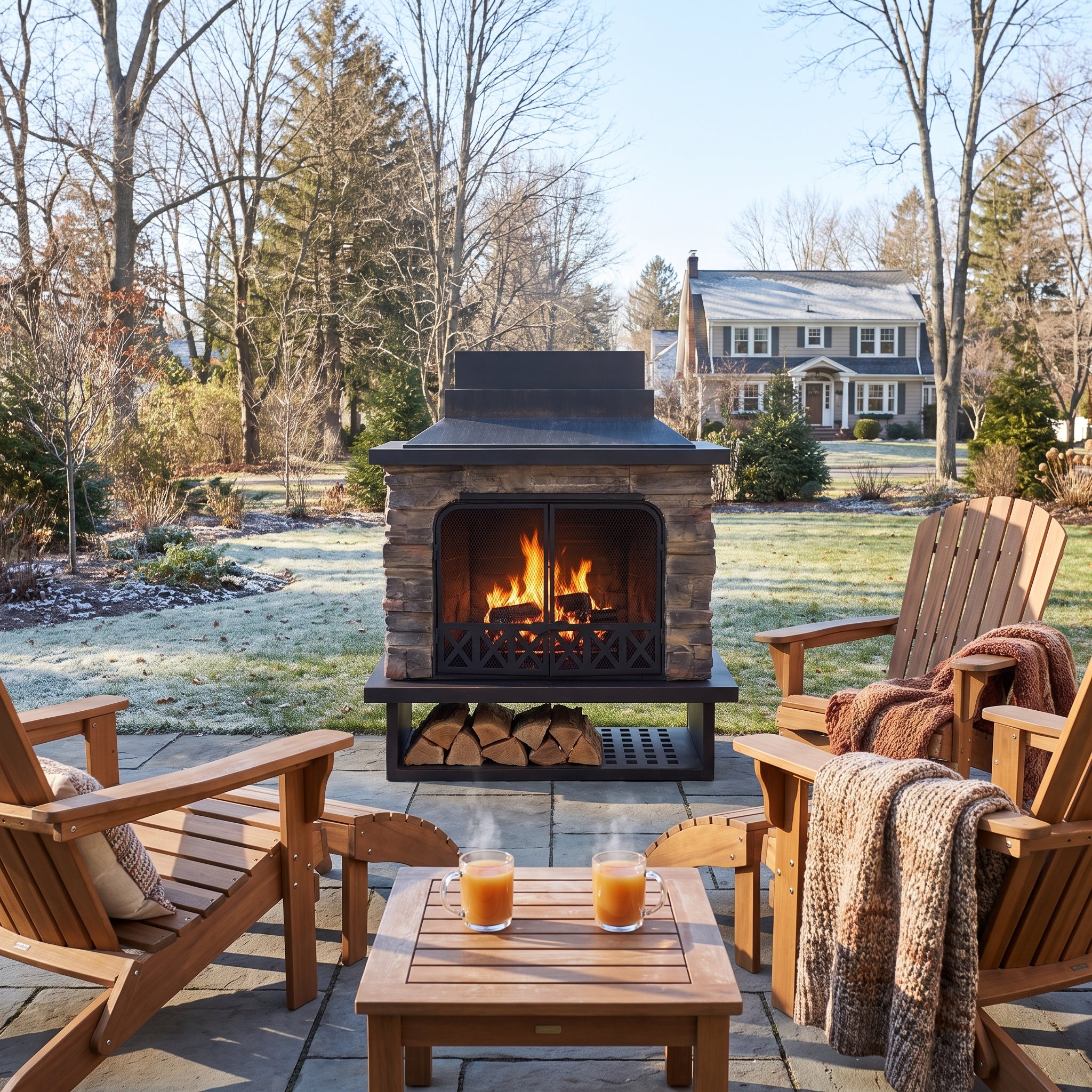
Kiln-dried hardwood logs offer a more traditional wood-burning experience. The controlled drying process reduces moisture, allowing the logs to ignite more easily than damp firewood. Hardwood varieties such as oak and maple can provide sustained heat and attractive flames when properly seasoned through kiln drying and loaded with adequate airflow.
For fast ignition and consistent fuel sizing, pellets can be a practical option in compatible models. For a traditional campfire atmosphere and longer-lasting flames, kiln-dried hardwood logs are often a better fit. Neither fuel guarantees a smoke-free startup; dryness, airflow, and loading technique remain critical.
How to Start a Smokeless Fire Pit
If you are wondering how to start a smokeless fire pit, focus on getting the fire hot quickly without restricting oxygen.
First, make sure the fire pit is positioned outdoors in a well-ventilated area, away from structures, overhanging branches, and combustible materials. Follow the manufacturer's safety and clearance instructions before lighting the fire.
Next, select dry fuel appropriate for your model. Arrange a small amount of suitable tinder and kindling to encourage rapid ignition, leaving enough space for air to circulate. For a wood-burning fire pit, start with smaller, dry pieces before gradually adding larger kiln-dried hardwood logs. Avoid packing the fire chamber tightly, as restricted airflow can prolong the smoky startup stage.
Light the fire using an appropriate fire starter and allow the initial kindling to establish a strong flame. Add fuel gradually rather than placing too much wood into the chamber at once. As the fire pit heats up, secondary combustion can become more effective, reducing visible smoke.
Wood pellets should only be used in fire pits whose manufacturers explicitly approve this fuel type and specify the required loading method. For models designed for hardwood logs, use the recommended log sizes and follow the product-specific ignition instructions. Pellet-burning systems may require a different fuel arrangement from traditional log-burning models, so avoid assuming that the same technique works for every design.
Common Mistakes That Prolong Startup Smoke
Even high-quality fuel can produce excessive smoke when the fire is managed incorrectly. Using damp wood is a frequent problem because much of the fire's energy goes toward evaporating moisture instead of supporting combustion. Storing firewood directly on the ground or leaving pellets exposed to rain can also compromise fuel quality.
Overloading the fire pit too early is another common mistake. A large pile of fuel may obstruct airflow and prevent the fire from reaching an efficient burning temperature. Instead, build the fire gradually and maintain sufficient space between pieces.
Finally, avoid adding more fuel simply because the initial flame looks small. Give the existing fire time to establish itself before increasing the load. If smoke continues after the fire is fully established, check the fuel quality, airflow, and any maintenance requirements specified by the manufacturer.
Find the Right Outdoor Fire Pit for Your Space
The right fire pit should fit your outdoor lifestyle as well as your preferred fuel. Whether you prioritize easy ignition, a traditional wood-burning atmosphere, or a comfortable setting for entertaining guests, choosing a suitable design and following proper operating practices can make outdoor fires more enjoyable.
We at SUNJOY offer a range of outdoor fire pits and fireplaces designed for different backyard settings and gathering spaces. Explore the available styles at the SUNJOY fire pits and fireplaces collection to find an option that complements your patio or garden.
With dry fuel, proper airflow, and a thoughtful startup routine, you can reduce unnecessary smoke, establish a strong flame sooner, and spend more time enjoying the warmth and atmosphere of your outdoor fire pit.
Leave a comment
This site is protected by hCaptcha and the hCaptcha Privacy Policy and Terms of Service apply.